Protect Your Energy
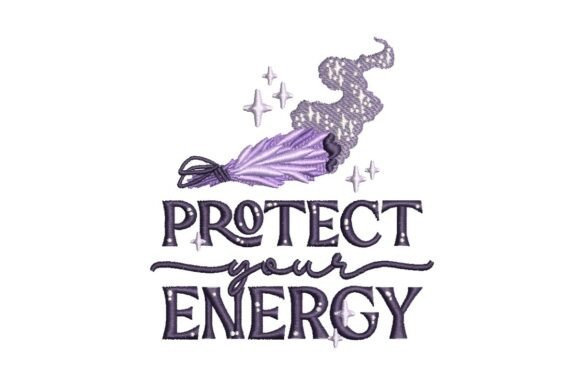
Energy isn’t abstract—it’s measurable in how rested you feel after a meeting, how focused you stay during deep work, or whether you rebound quickly from emotional friction. “Protect Your Energy” isn’t just a wellness slogan. It’s a design philosophy, a daily practice, and now, a tangible creative tool: the Protect Your Energy Machine Embroidery Design.
This design centers on quiet intentionality: a carefully composed bundle of lavender or sage rendered in soft purple thread tones, tied with a grounded charcoal bow. No sharp edges. No visual noise. Just balance—botanical clarity paired with restrained elegance. It’s not decorative filler. It’s a tactile reminder stitched into fabric: what you allow in matters.
Why This Design Resonates—Beyond Aesthetics
What makes this pattern stand out isn’t just its calm palette or botanical accuracy—it’s its functional duality. It communicates meaning *and* invites interaction. Unlike generic mandalas or abstract symbols, it references real-world practices: smudging, herbal grounding, intentional breathwork. That specificity builds trust—especially with audiences who value authenticity over aesthetic-only appeal.
For creators, that means less explanation and more resonance. When someone sees this on a yoga mat bag or a linen pillow, they recognize the gesture—not as trend-chasing, but as aligned action. That alignment translates directly into engagement, loyalty, and word-of-mouth credibility.
Creative Applications That Serve Real Needs
This design thrives where function meets mindfulness. Here’s how different users bring it to life—with purpose, not just prettiness:
- Yoga & Wellness Studios: Stitch it onto reusable cotton tote bags for new members—pairing the design with a short note: “Your first class includes a sage bundle + this reminder.” It transforms merch into onboarding support.
- Educators & Coaches: Embroider it onto cotton twill notebooks or sleeveless vests worn during workshops. The visual cue reinforces boundaries without verbal framing—ideal for facilitators guiding high-emotion conversations.
- Small-Batch Apparel Brands: Use it subtly on the inner cuff of lounge pants or the hem of a robe. Not for branding—but for wearer reassurance. Customers report choosing these pieces specifically for “the quiet weight of that bow,” describing it as “a pause button I can touch.”
- Meditation Space Designers: Scale the design up for wall hangings using dense satin stitch fills and matte thread. Hang it at eye level near seating—not as art, but as an anchor point during breathwork. One interior designer reports clients consistently orient toward it during guided sessions.
Adapting for Audience & Context—Without Losing Clarity
One file set, many intelligences. The embroidery design comes in multiple formats (.dst, .pes, .jef, .exp, .vp3) and scales cleanly from 3.5" to 8". That flexibility isn’t about convenience—it’s about fidelity to intent across use cases.
For example: A freelancer selling digital embroidery files on Etsy might offer three preset sizes (4", 5.5", 7") with recommended stabilizer notes per fabric type—cotton poplin vs. stretchy bamboo jersey vs. heavyweight canvas. That specificity reduces customer support tickets and increases five-star reviews.
Meanwhile, a school counselor embroidering stress-relief kits for teens might simplify the design by omitting the charcoal bow in favor of a single lavender stem—keeping visual load low while preserving symbolic recognition. It’s not “dumbing down.” It’s audience-aware editing.
Consistency matters most when scaling. If you’re building a brand around energy awareness, use the same charcoal tone across all embroidered items—even if stitching other elements in different colors. That subtle repetition builds visual coherence without shouting.
Practical Tips for Clean, Effective Execution
Embroidery is physical. Thread tension, fabric movement, and stabilizer choice change outcomes fast. Here’s what experienced users recommend:
- Test on scrap first—always. Especially with textured fabrics like terry cloth or loosely woven linen. What reads as serene on screen can blur or pucker without proper cutaway stabilizer.
- Use matte or rayon thread for softness. Avoid high-sheen polyester if your goal is calm. The light reflection should be gentle, not bright.
- Anchor placement intentionally. On a yoga bag, center it below the handle seam—not top-center. On loungewear, place it just above the hip bone, where the eye naturally rests when seated. Physics informs perception.
- Pair mindfully. Don’t layer it with motivational quotes or busy patterns. Let it breathe. Its power lies in negative space—and yours does too.
More Than a Design—A Boundary You Can Hold
“Protect Your Energy” works because it refuses abstraction. It names something real—attention, emotional bandwidth, nervous system regulation—and gives it form. That makes it useful for people who don’t have time for vague affirmations but do respond to concrete, repeatable actions.
A freelance writer uses it on her laptop sleeve—not as decoration, but as a tactile reset. When she feels overwhelmed mid-afternoon, she pauses, touches the charcoal bow, takes three breaths, and resumes. No app needed. No timer. Just a small, stitched-in permission slip to recalibrate.
A homeschool parent stitches it onto cloth napkins used only during “quiet hour”—not as a rule, but as a shared symbol. Her kids began calling it “the peace napkin.” Language followed the object. That’s how meaning takes root.
You don’t need to launch a brand or sell products to benefit. Start small: one tote, one pillow, one notebook. Let the design do quiet work—not as decoration, but as orientation. Because protecting your energy isn’t selfish. It’s the baseline condition for showing up well—for your work, your people, and yourself.