Fish Embroidery Design: Graceful & Versatile
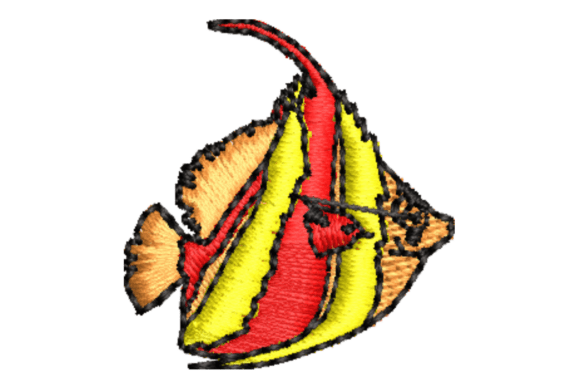
Imagine stitching a shimmering fish that seems to glide across fabric—its scales catching light, its tail curling with quiet motion. That’s the quiet magic of a well-crafted Fish Embroidery Design. It’s not just a shape stitched in thread; it’s a small piece of underwater calm translated into texture, color, and movement. Whether you’re stitching your first hoop or running a boutique embroidery service, this design brings both visual charm and thoughtful versatility to real-world projects.
What Makes This Fish Design Stand Out?
This particular Fish Embroidery Design focuses on graceful detail—not overwhelming complexity. Think subtle layering in the fins, gentle curve in the body, and balanced stitch density that holds up beautifully on lightweight cotton, linen, or even stretchy knits. It avoids overly tight fills that can pucker delicate fabrics or bulky outlines that overwhelm small items like baby onesies or wristlet bags.
The design is digitized with care: clean jump stitches, optimized underlay for stability, and smooth satin borders that don’t snag during hooping or wear. That attention means less troubleshooting at the machine—and more time enjoying the result.
Why People Reach for Fish Motifs Again and Again
Fish carry soft, universal resonance. They evoke summer days by the water, childhood beachcombing, quiet aquarium moments, or even cultural symbols of abundance and flow. For creators, that emotional shorthand matters. A single fish motif can quietly communicate playfulness (on a toddler’s sunhat), sophistication (embroidered on a linen napkin set), or whimsy (a trio of fish leaping across a tote bag).
It’s also refreshingly gender-neutral and age-flexible. Unlike some seasonal motifs, fish feel timeless—not tied to holidays or trends. That makes them especially useful for small businesses building cohesive, evergreen product lines: think matching swimwear tags, reusable market bags, or custom nursery wall hangings.
Where This Design Fits Naturally
Summer wear: Stitch it onto the chest of a breezy linen shirt, the hem of a sundress, or the strap of a straw hat. Its lightness complements warm-weather fabrics without adding bulk or heat retention.
Kids’ clothing: Perfect for organic cotton rompers or denim overalls. The smooth, rounded shapes avoid scratchy edges—even on sensitive skin—and hold up well through repeated washing and tumble drying.
Beach accessories: Try it on canvas beach towels (using stabilizer designed for high-loft fabrics), woven raffia clutches, or waterproof nylon pouches. Just match thread weight and needle size to the base material—cotton 40-weight thread and a size 75/11 needle work well for most medium-weave fabrics.
Tote bags and home goods: A single fish centered on a natural canvas tote adds personality without clutter. Scale it up slightly for pillow covers or down for tea towels—its clean lines adapt gracefully.
Practical Tips for First-Time Users
If you're new to machine embroidery—or new to this specific Fish Embroidery Design—start simple. Choose a stable, tightly woven fabric like quilting cotton or twill. Use medium-weight cutaway stabilizer underneath and a light tear-away on top if your design includes fine details like gills or eye highlights. Hoop both layers tautly but gently—no wrinkles, no stretching.
Test stitch on scrap fabric first, especially if using textured materials like burlap or slub linen. Adjust tension slightly if thread loops appear on the back (loosen upper tension) or if the design looks stiff and raised (tighten upper tension or reduce stitch density via your machine’s settings, if supported).
Remember: Not all fish designs are created equal. Some rely heavily on dense fill stitches that don’t translate well to knit fabrics. This one was built with flexibility in mind—so check the file notes for recommended fabric types and stabilizer pairings before starting.
Choosing the Right Format & Size
You’ll find this Fish Embroidery Design offered in multiple formats (.pes, .jef, .dst, .exp, .vp3)—so whether you use a Brother, Janome, Bernina, or Baby Lock machine, compatibility is covered. Sizes typically range from 2.5” to 5.5”, letting you scale thoughtfully: smaller for garment labels or hair clips, larger for statement pieces like wall art or table runners.
Don’t assume bigger is always better. A 4.8” fish might overwhelm a child’s backpack but shine on a full-size tote. Consider viewing distance and function: Is it meant to be admired up close? Or read from across a room? Let purpose guide size choice—not just what fits in your hoop.
A Thoughtful Addition to Your Creative Toolkit
This isn’t just another decorative motif—it’s a flexible, emotionally resonant element that supports intentionality in making. Educators use it in textile arts lessons to discuss symmetry, organic shape, and marine life themes. Bloggers feature it in “slow stitching” roundups as a calming, meditative project. Small business owners include it in starter embroidery kits because it teaches key skills—hooping, stabilizing, color blending—without frustration.
And for hobbyists who stitch to unwind? There’s something soothing about following the arc of a tail, watching scales emerge row by row. It’s detail without drudgery. Elegance without effort.
Whether you're refreshing a wardrobe, launching a handmade line, or simply stitching joy into everyday objects, this Fish Embroidery Design meets you where you are—with grace, clarity, and quiet underwater charm.